SHANGLAI AUTOMATION EQUIPMENT CO., LTD

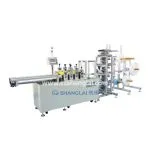
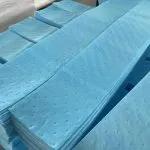
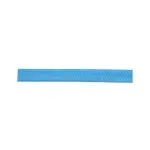
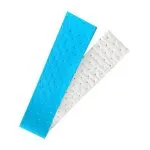

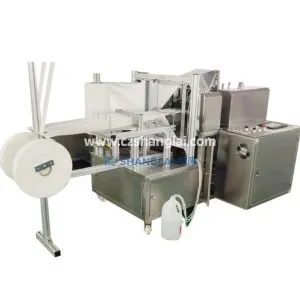
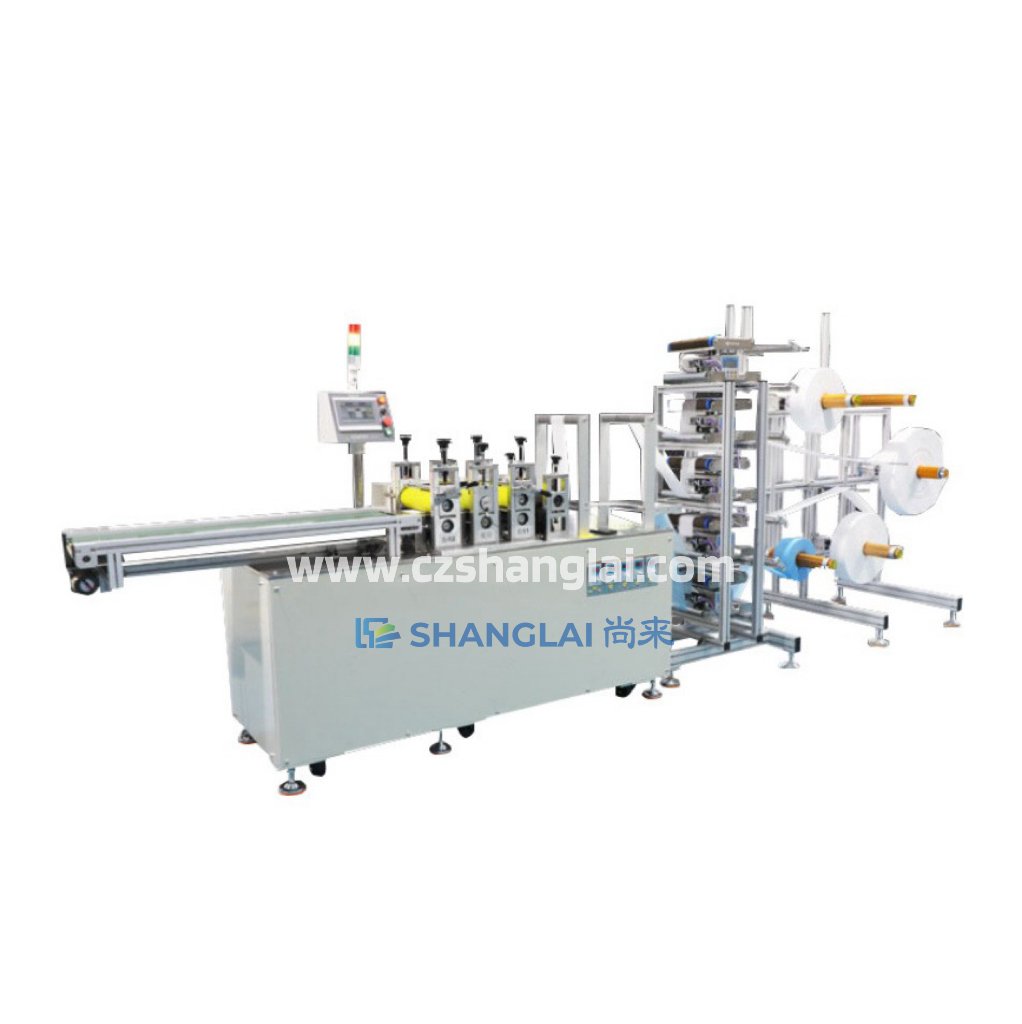
Automatic Range Hood Grease Filter Pad Making Machine
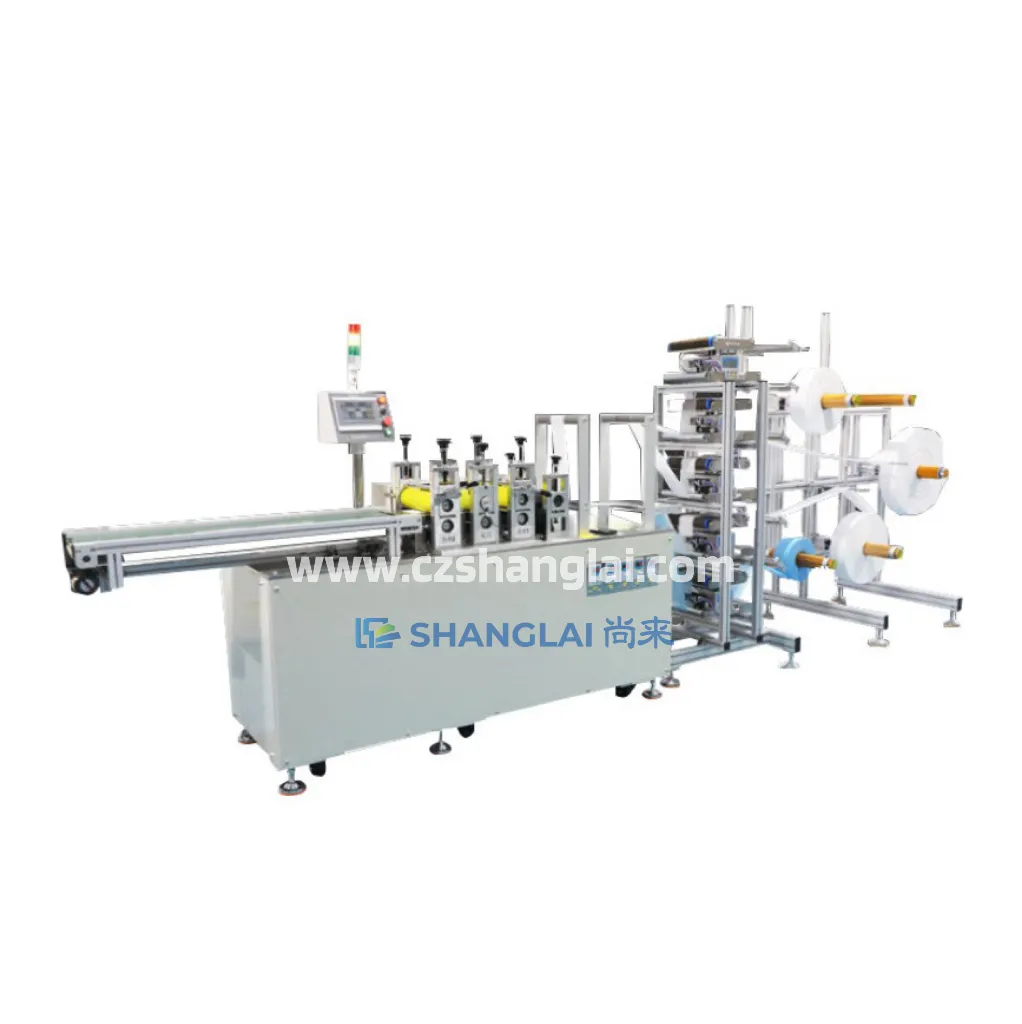
This roll-fed converting machine produces layered filter pads for cooker hoods, kitchen range hoods and exhaust systems. Common sourcing terms include range hood grease filter machine, cooker hood filter pad making machine, kitchen oil filter cotton machine and extractor hood filter production machine.
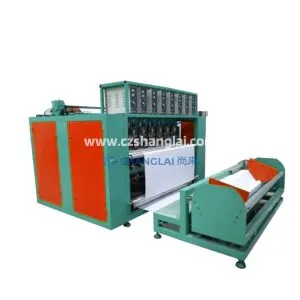
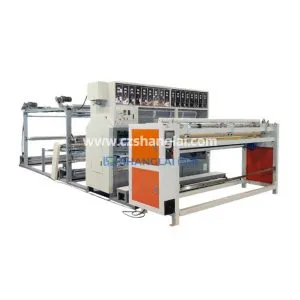
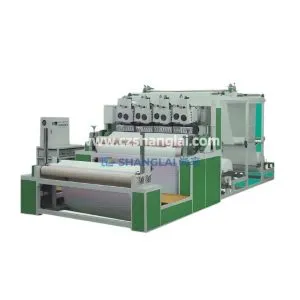
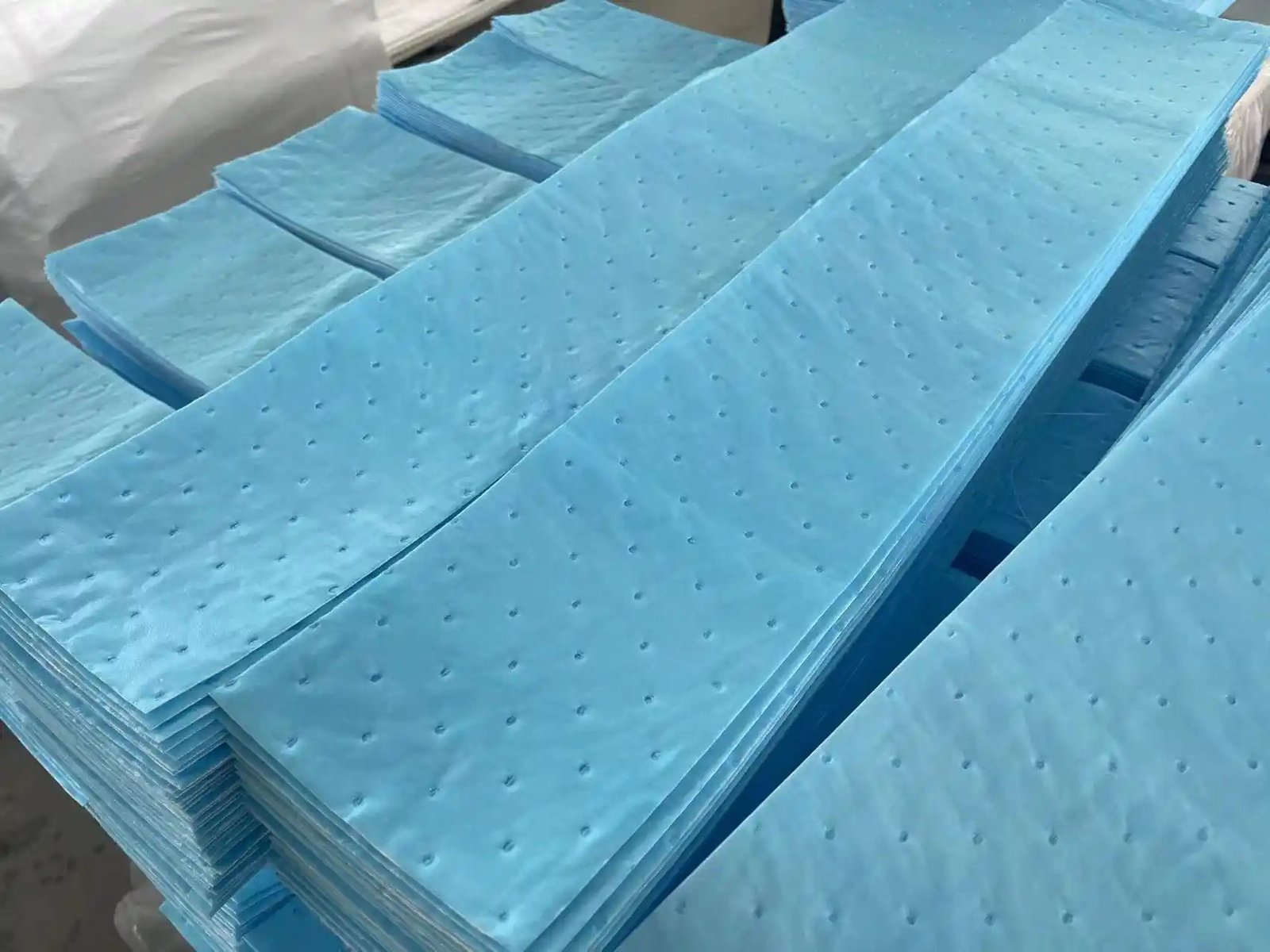
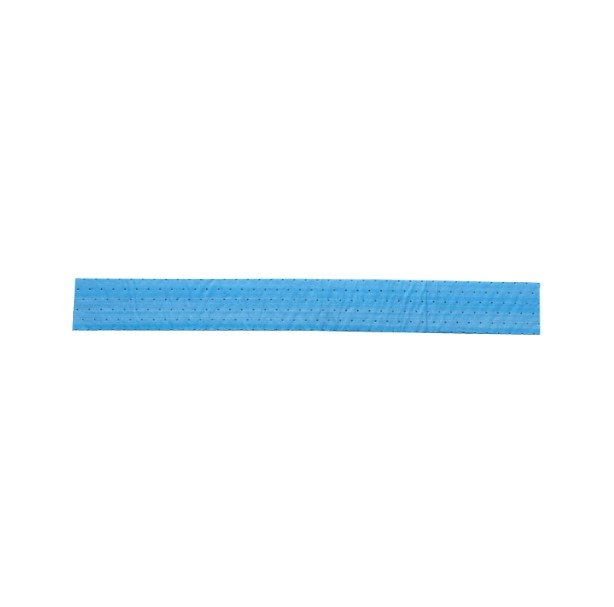
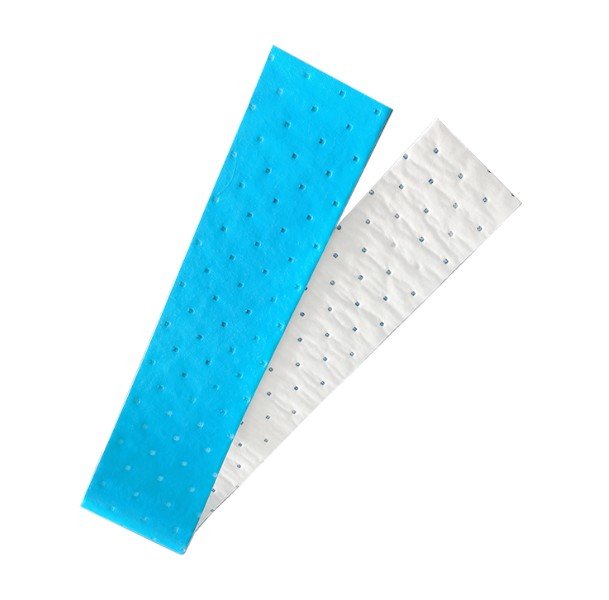
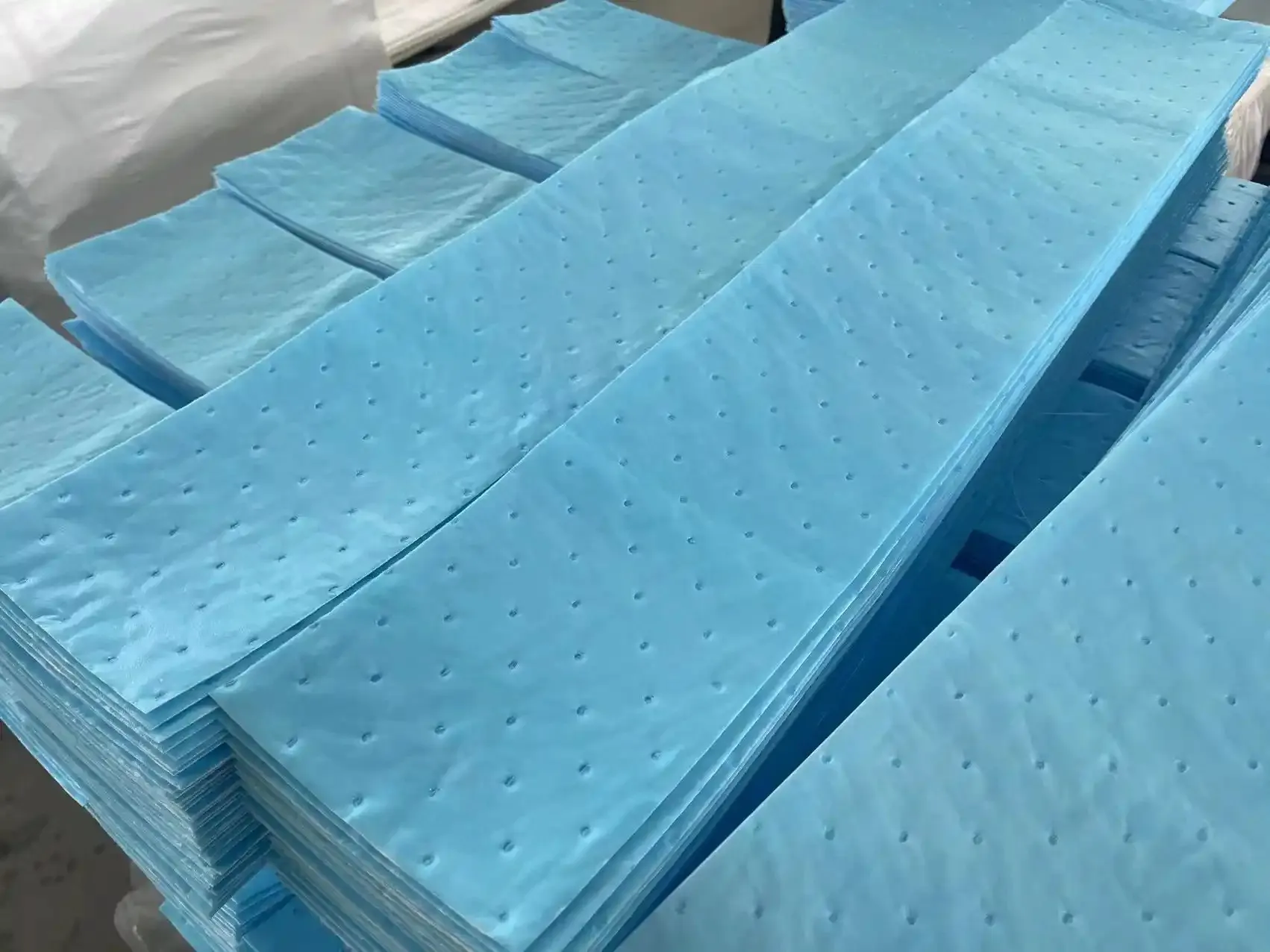
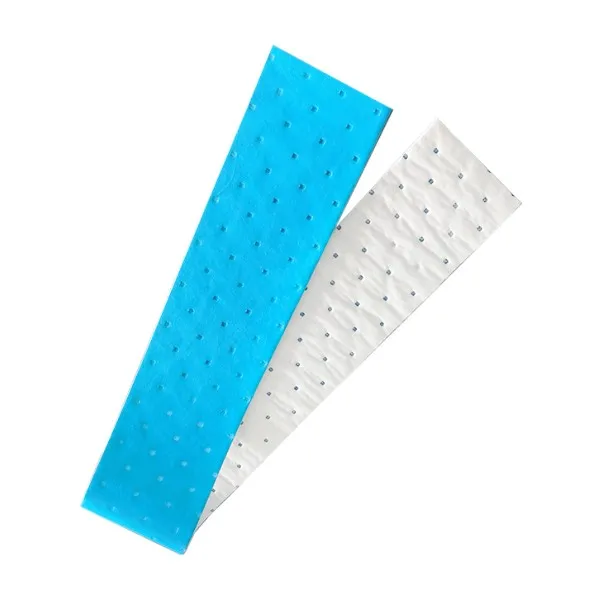
The illustrated configuration combines multiple material rolls, guides the layers through the converting section and delivers cut filter-pad pieces. It is suitable for manufacturers of replaceable kitchen grease-filter media and household-appliance consumables.
Typical Applications
- Replaceable grease filter pads for cooker and range hoods
- Layered kitchen exhaust filter inserts
- Custom-sized household appliance filter consumables
Video
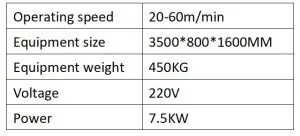
Technical Parameters
| Item | Listed Specification |
|---|---|
| Operating speed | 20-60 m/min |
| Equipment size | 3500 × 800 × 1600 mm |
| Equipment weight | 450 kg |
| Voltage | 220 V |
| Power | 7.5 kW |
Specifications are transcribed from the original parameter image. Actual speed depends on material, layer count, finished dimensions and operating conditions. Confirm the destination electrical supply before ordering.
Process Scope and Configuration Notes
This page describes a filter-pad converting and cutting machine. It does not claim to manufacture the upstream fiber or filter-roll material, and it is not presented as a complete framed metal filter assembly line. Layer bonding method, perforation, cut length, width and stacking or packaging functions must be confirmed for the requested product.
Information Required for a Quotation
- Finished filter sample, drawing and target dimensions
- Material type, basis weight, thickness and number of layers
- Input roll width, diameter and core size
- Required cutting pattern and output speed
- Need for perforation, counting, stacking or packaging
- Destination voltage, frequency and phase