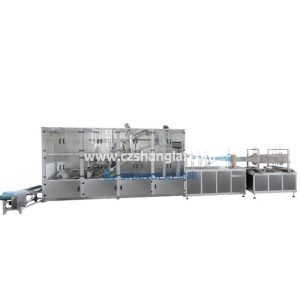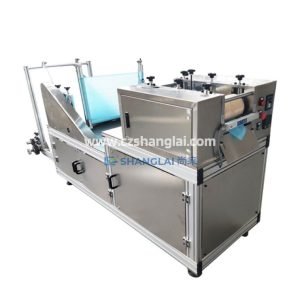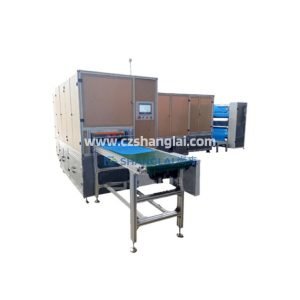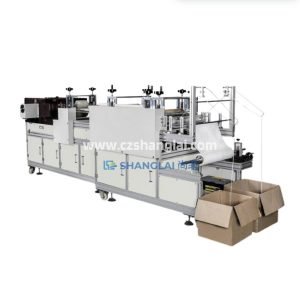
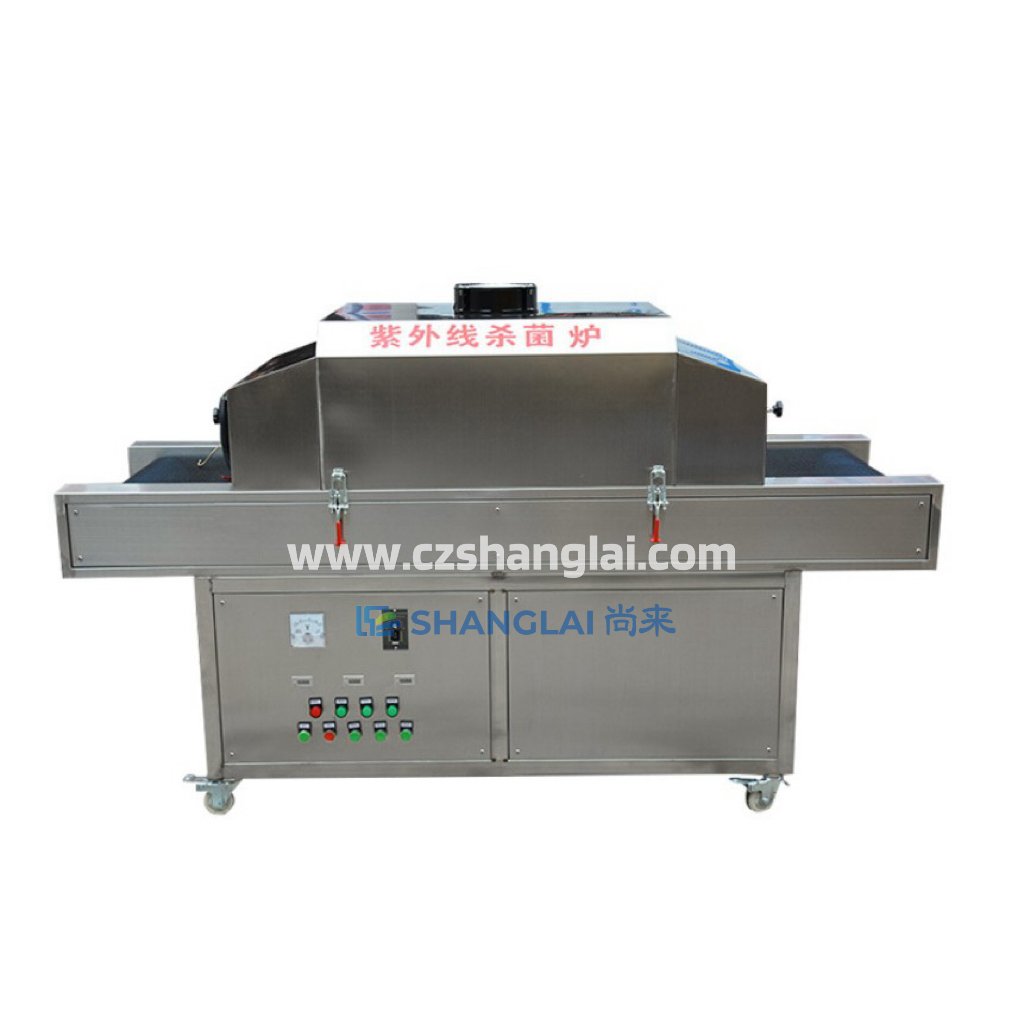

UV Conveyor Disinfection Tunnel
This conveyorized ultraviolet tunnel provides controlled UV exposure to accessible product or package surfaces as they pass through the enclosed chamber. Common sourcing terms include UV conveyor sterilizer, UV disinfection tunnel, ultraviolet surface treatment machine and UV sanitizing conveyor.
Performance depends on wavelength, irradiance, exposure time, lamp condition, distance, surface geometry and shadowing. Conveyor speed alone is not sufficient to establish a validated process.
视频
Technical Parameters
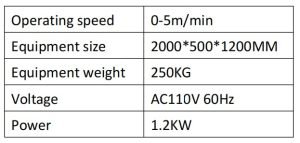
| Item | Listed Specification |
|---|---|
| Conveyor speed | 0-5 m/min |
| Equipment size | 2000 × 500 × 1200 mm |
| Equipment weight | 250 kg |
| Electrical supply | AC 110 V, 60 Hz |
| Power | 1.2 kW |
Specifications are transcribed from the original parameter image. The source does not state UV wavelength, lamp power/count, irradiance or validated dose; these must be confirmed for the intended application.
Process and Safety Notes
UV radiation can damage eyes and skin. Enclosure integrity, shielding, interlocks, lamp-breakage controls and safe maintenance procedures require review. UV is line-of-sight; folded, stacked, opaque or shadowed surfaces may not receive the required dose.
Validation and Scope Boundary
This equipment provides UV surface exposure and is not a liquid-treatment system, EO sterilizer or substitute for a validated terminal sterilization process. This page does not claim sterility, a specific log reduction, medical-device approval or compatibility with every material. Results must be validated using the actual product, contamination target and operating settings.
Information Required for a Quotation
- Product type, dimensions, orientation and conveyor loading pattern
- Required UV wavelength, target organism and validated dose/log-reduction objective
- Surface geometry, material sensitivity and shadowing risks
- Required throughput and exposure time
- Required interlocks, monitoring and lamp-life indication
- Destination voltage, frequency and applicable safety standards